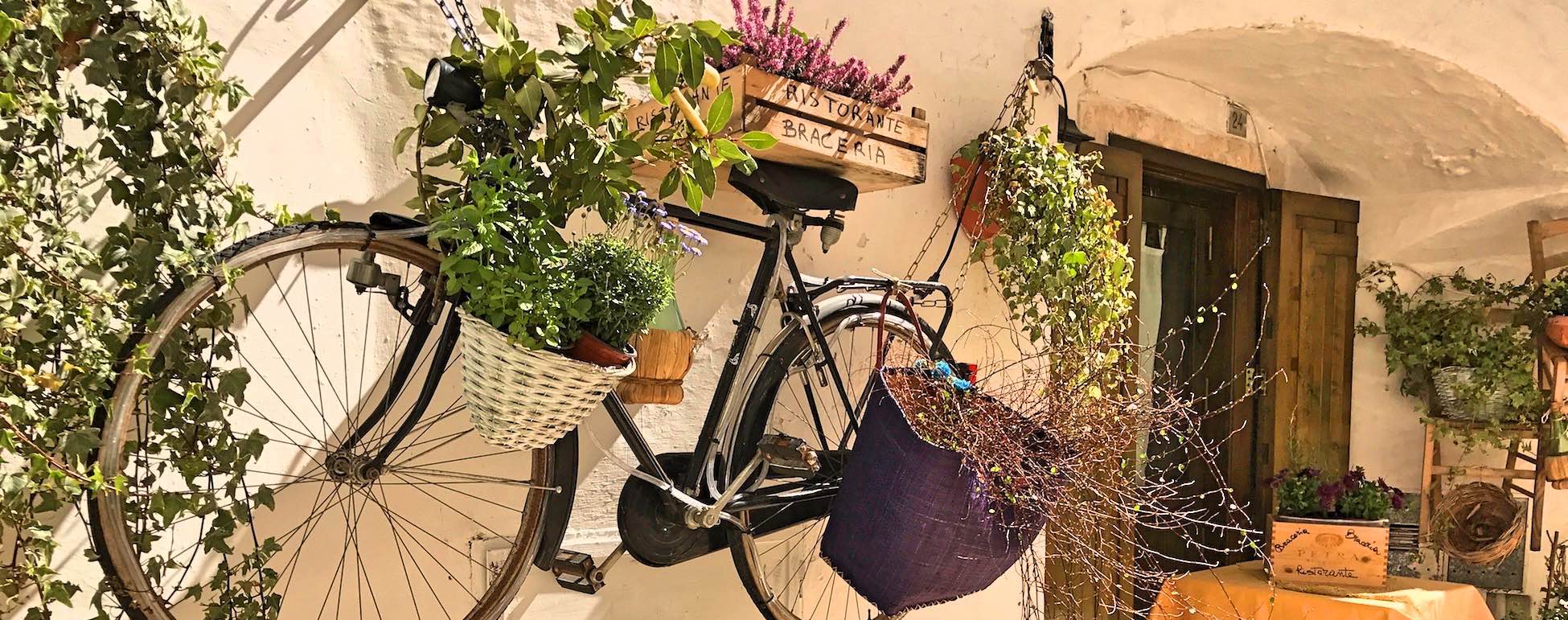


Known as the city of a hundred churches and waterfalls, the ancient village of Corleone is an unexpected treasure trove of art, culture and traditions that will delight both the eyes and the soul of its visitors.
From the Phoenicians to the Normans, from the Arabs to the Bourbons, every people that succeeded one another throughout Sicily’s long history left its mark on the urban fabric of Corleone.
What to see in Corleone
Corleone is one of the most beautiful towns in Sicily.
Why not spend a relaxing day discovering the beauty of this fascinating Sicilian village?
If you want to spend a day in Corleone, we have prepared a list of things to see and visit at your leisure:
- Mother Church
- Church of Santa Rosalia
And now, let’s set off together to discover some of the most distinctive places in Corleone!

Mother Church of San Martino
Its original structure dates back to the 14th century, with subsequent modifications made over the centuries. Inside, it houses a valuable wooden choir created by the Sicilian artist Giovan Battista Li Volsi. There is also a legend about a treasure, the Treasure of San Marco, according to which an underground passage once connected the crypt of the Mother Church to the Church of San Marco, of which only ruins remain today. Local tradition tells of a treasure that could only be discovered by those who managed to cross the entire passage while carrying a glass full of water.
Church of Santa Rosalia
The Church of Santa Rosalia, the Santuzza of Palermo, stands in Piazza Giuseppe Vasi, the central square where San Bernardo’s workshop once stood.
The construction of the church is linked to two events: the discovery of the relics of Saint Rosalia on Mount Pellegrino in 1624 and the plague that threatened Europe and the small village.
The inhabitants then turned to the saint from Palermo, asking for her protection. Thus, on 16 June 1625, the saint’s relics arrived in the town, where they were welcomed first into the ancient Maddalena monastery and then into the Capuchin church. The municipality funded its construction with the money obtained from the sale of the ancient Church of San Leoluca to the Augustinians. It houses valuable 16th-century holy water fonts.
What to do in Corleone - the Slow Active Tours proposal
Once you have discovered the hidden wonders tucked away among the narrow streets of Corleone, it is time to immerse yourself in the sounds and aromas of this ancient village.
-
Visit to the Anti-Mafia Documentation Centre
A chapter in the history of Corleone is inextricably linked to one of the darkest chapters of our country’s recent past. A testimony to this history is preserved in the Anti-Mafia Documentation Centre, which houses the complete documentation of the Maxi Trial against the Mafia. The museum represents a symbol of the fight against the Mafia and of the renewal of a town that has so much more to offer.
-
Ficuzza Forest
The beautiful village of Corleone is a stronghold nestled within a vast natural setting, the Ficuzza Forest.
The Nature Reserve originated as a hunting estate belonging to King Ferdinand of Bourbon, who was looking for a residence for his family and a place to pursue his passion for hunting. After leaving Naples following the advance of Napoleon’s forces, the sovereign had the Royal Bourbon Hunting Lodge built here, around which the small settlement of Ficuzza developed, today a hamlet of Corleone.
The reserve covers a vast area encompassing the municipalities of Monreale, Godrano, Mezzojuso, Corleoe and Marineo and is still the ideal habitat for foxes, weasels, wild birds, wolves, hedgehogs and birds of prey. The forest is rich in streams fed by rainfall, which form several natural ponds known as “gorghi”. Once used as ponds for fish farming, they now play an extraordinarily important role in the forest ecosystem.
The entire surrounding area is dominated by Rocca Busambra, the highest peak of the Sicani Mountains in northern Sicily. Here, the landscape can make you feel as though you are standing on a Dolomite peak rather than in Sicily, but local tradition says that on certain days you can hear the sound of waves from the sea. Probably just a legend, but for the oldest residents it is a story worth passing down from generation to generation. It is said that when the wind blows from the north, the echo of the waves crashing against the coastline reaches Rocca Busambra. Here, the massive rock walls amplify the sound, reflecting it all the way to the peaks. The result is truly unique. -
The small village of Prizzi
The fascinating and scenic village of Prizzi has very ancient origins. Located among the mountains of Sicily’s hinterland, it is said to have been founded by exiles who fled nearby Hippana, which was destroyed and plundered by the Romans during the First Punic War. Prizzi reached its greatest splendour in the late Middle Ages, when the feudal lord Matteo Bonello decided to divide the territory into two parts and entrust them to two separate monasteries.
The architecture of Prizzi was deeply influenced by its strong connection with the Vatican. Today, the village has as many as 17 religious buildings, including the 16th-century Mother Church dedicated to Saint George and the Church of Sant’Antonio Abate.
Of extraordinary importance to the local community is the Castle, with its watchtower, built by the Byzantines in 745 to protect the settlement from Saracen threats.
The history of the village is preserved in the Archaeological Museum of Prizzi, where you can see numerous artefacts from ancient Hippana, offering a broad and comprehensive picture of the origins of this legendary city. -
Magna Via Francigena: walking from Palermo to Agrigento
Slow Active Tours offers an exciting and fascinating walking journey to discover the hidden beauty of Sicily from north to south, from the Tyrrhenian Sea to the Mediterranean Sea.
Are you reading the article and already looking forward to visiting Corleone and Sicily?
Discover our travel proposals and set off on your next adventure!
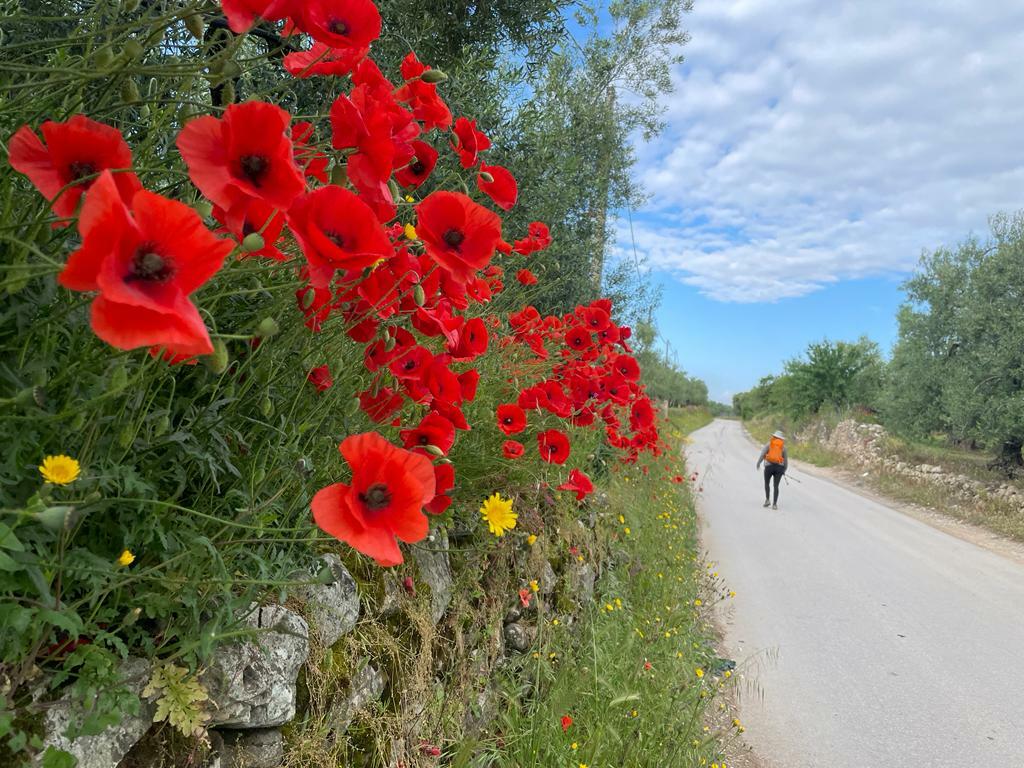
Magna Via Francigena
from Palermo to Agrigento
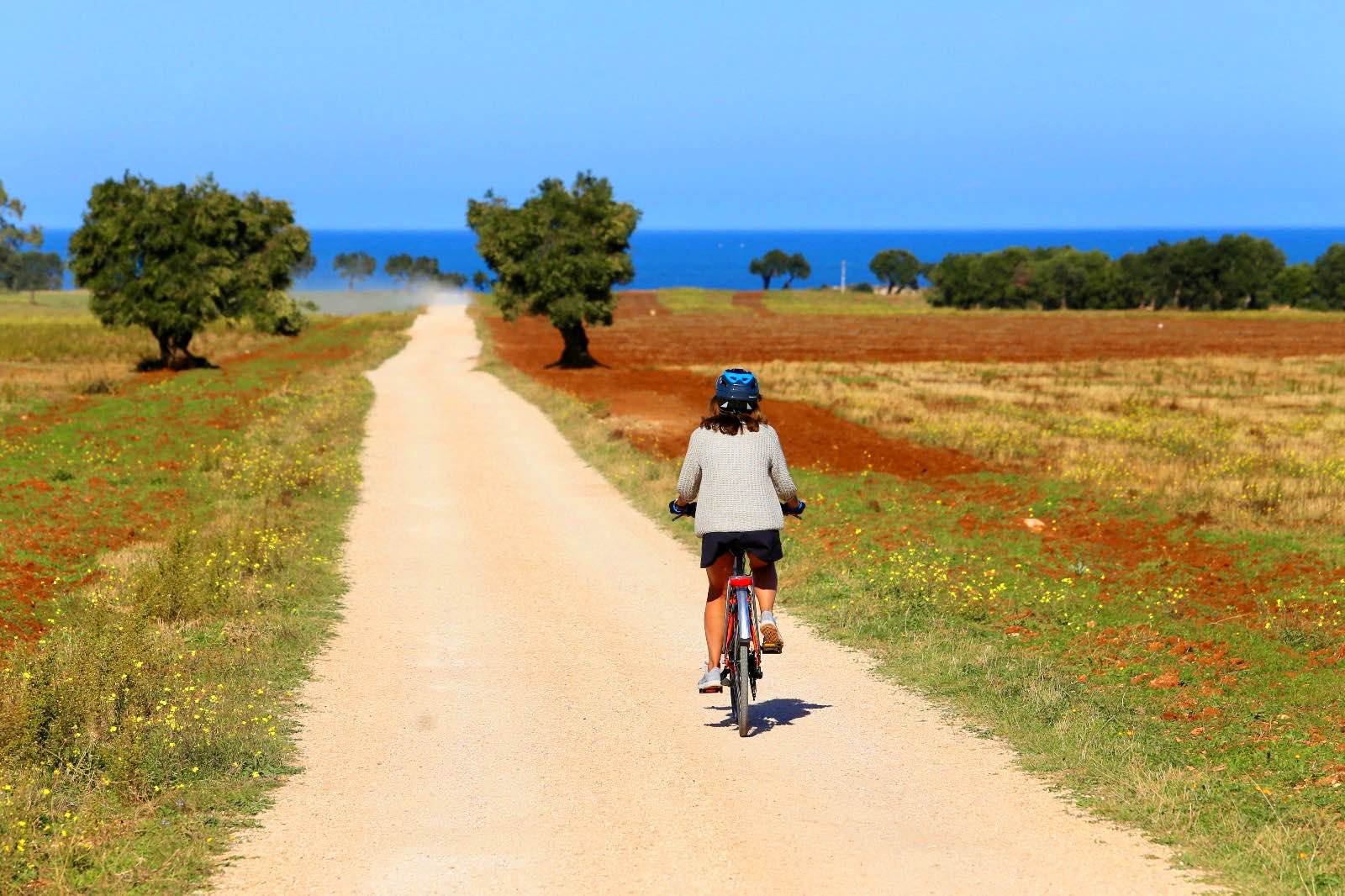
Magna Via Francigena
complete tour
Festivals and Popular Events in Corleone
The Corleone Carnival is an eagerly awaited event for local residents and the hundreds of tourists who flock to the narrow streets of this small Sicilian village to admire the traditional parade of allegorical floats, which compete for the district trophy. Particularly anticipated are the Riavulicchi, cheerful and mischievous demonic figures covered in bells and cowbells who roam the squares to the sound of the horn and have become a symbol of the town’s Carnival over the years.
The Siccagno Corleonese Festival is an event dedicated to a typical local product made entirely in the area: the Siccagno Corleonese Dwarf Tomato, a special variety that is particularly fleshy and deep red when fully ripe. Its name derives from the distinctive method of cultivation without water. Despite this, its nutrients are highly concentrated, making it a local speciality.
The Festa di San Leoluca is the event most deeply felt by the Corleone community, as it celebrates the town’s patron saint, San Leoluca. The community gathers on 1 March, when the statue of the saint is carried in procession through the streets of the town, accompanied by large bonfires made from pruning waste, commemorating a miracle that took place when the saint was still a novice. Linked to the March celebrations, the Corleone community dedicates another day of festivities in early May:
the Cursa di Santu Luca recalls the legend that Corleone was spared the wrath of the Bourbons during the revolutionary events of 1860. The statue of the saint is carried to the outskirts of the town together with that of Saint Anthony, and then in procession back to the starting point, where the two saints bid farewell to each other with the traditional bow.
Typical Dishes of Corleone
The typical flavours of Corleone are strongly influenced by its proximity to the Madonie Mountains, including cacio all'Argentiera, an appetiser made with fresh cheese. This tasty dish takes its particular name from the woman who invented it: a silversmith who lived on Via dell’Argenteria in Palermo. According to tradition, the young silversmith prepared this delicious dish to “deceive” her neighbours. Its aroma was mistaken for coniglio alla cacciatora, a much more prestigious dish.
Eating and Drinking in Corleone
Here are some local suggestions:
Il moschettiere on Corso dei Mille. Ideal for those in the town centre who want to take a stroll after dinner.
La Taverna dei Briganti at Via Santa Lucia, 13/15. For anyone looking to immerse themselves in Sicilian culinary tradition, characterised by simplicity and delicious flavours.
Antico forno San Leonardo ai cappuccini on Via Santa Lucia. A delightful bakery where you can also eat on site. Ideal for a quick snack featuring local bakery specialities and traditional products.
So what are you waiting for? Pack your backpack and set off!