
Bruscoli is a small gem nestled among the Tuscan-Emilian Apennines: this small hamlet of just 230 inhabitants is located exactly halfway between Emilia-Romagna and Tuscany.
Founded during the Etruscan period, it was often subject to different rulers precisely because of its border location. Like the entire Tuscan-Emilian territory, Bruscoli has a very ancient history and was even mentioned by Dante Alighieri in Canto XXXII of the Inferno.
Bruscoli played an important role during the final stages of the Second World War because it lies right next to the famous Gothic Line: the defensive line devised by the German army to slow down the Allied offensive. Numerous partisans, mainly from both Emilia-Romagna and Tuscany, carried out acts of sabotage against it, helping to make the liberation of Italy much easier.
What to see in Bruscoli
We have prepared a list of the things you should not miss in Bruscoli so you can enjoy the beauty of this fascinating village at your leisure. Why not dedicate a day to discovering the beauty of Bruscoli?
- Gothic Line Ethnographic Museum
- German Military Cemetery
And now, let’s set off together to discover the most fascinating places in Bruscoli!
Gothic Line Ethnographic Museum
The Bruscoli Ethnographic Museum is housed in the hamlet’s former elementary school and is mainly divided into three thematic sections. The first contains geo-archaeological and palaeontological finds from the surrounding area; the second features an ethnographic section showcasing the customs, traditions and way of life of this small mountain community; finally, the third section displays wartime artefacts from the Gothic Line.
German Military Cemetery
As mentioned above, the hamlet of Bruscoli played an important role during the Second World War. This is why, just a few kilometres away, you will find the German Military Cemetery. The cemetery stands at an altitude of 950 metres, on the summit of a peak in the Tuscan-Romagnolo Apennines. Inside, you can find the graves of German soldiers who died during the war, surrounded by an imposing triangular wall.
Despite its sombre atmosphere, the visit is truly breathtaking!
What to do in Bruscoli - the Slow Active Tours proposal
The small hamlet is particularly well known for its natural beauty and landscapes, which is why you should not miss the wonderful mountain trails offering breathtaking views.
-
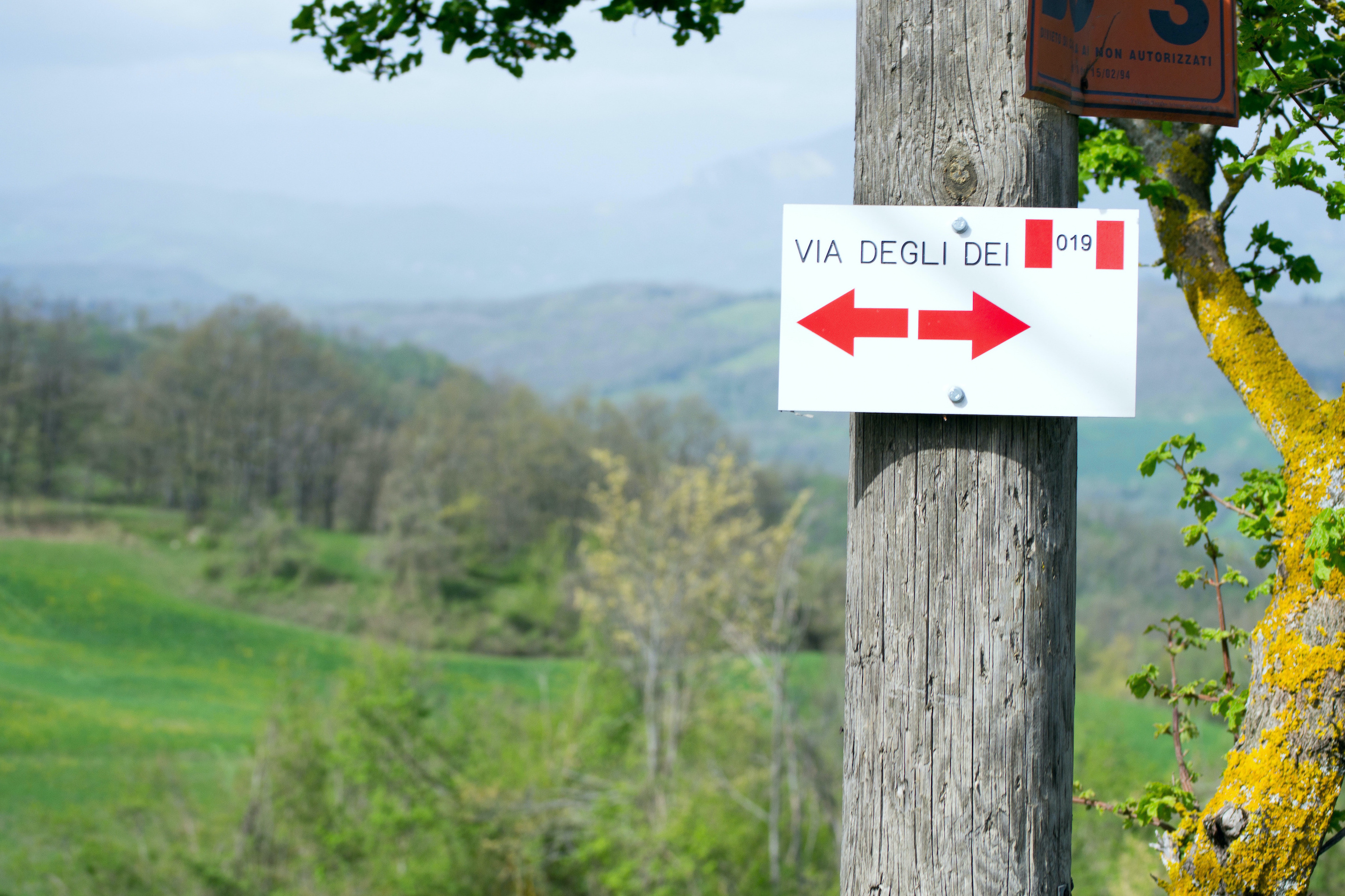
Via degli Dei
Along the Via degli Dei, Bruscoli represents the third stage of one of the most beautiful walking routes in Italy, connecting Bologna and Florence through the Tuscan-Emilian Apennines. If you are passionate about trekking, you simply cannot miss it!
-
Via Flaminia Militare
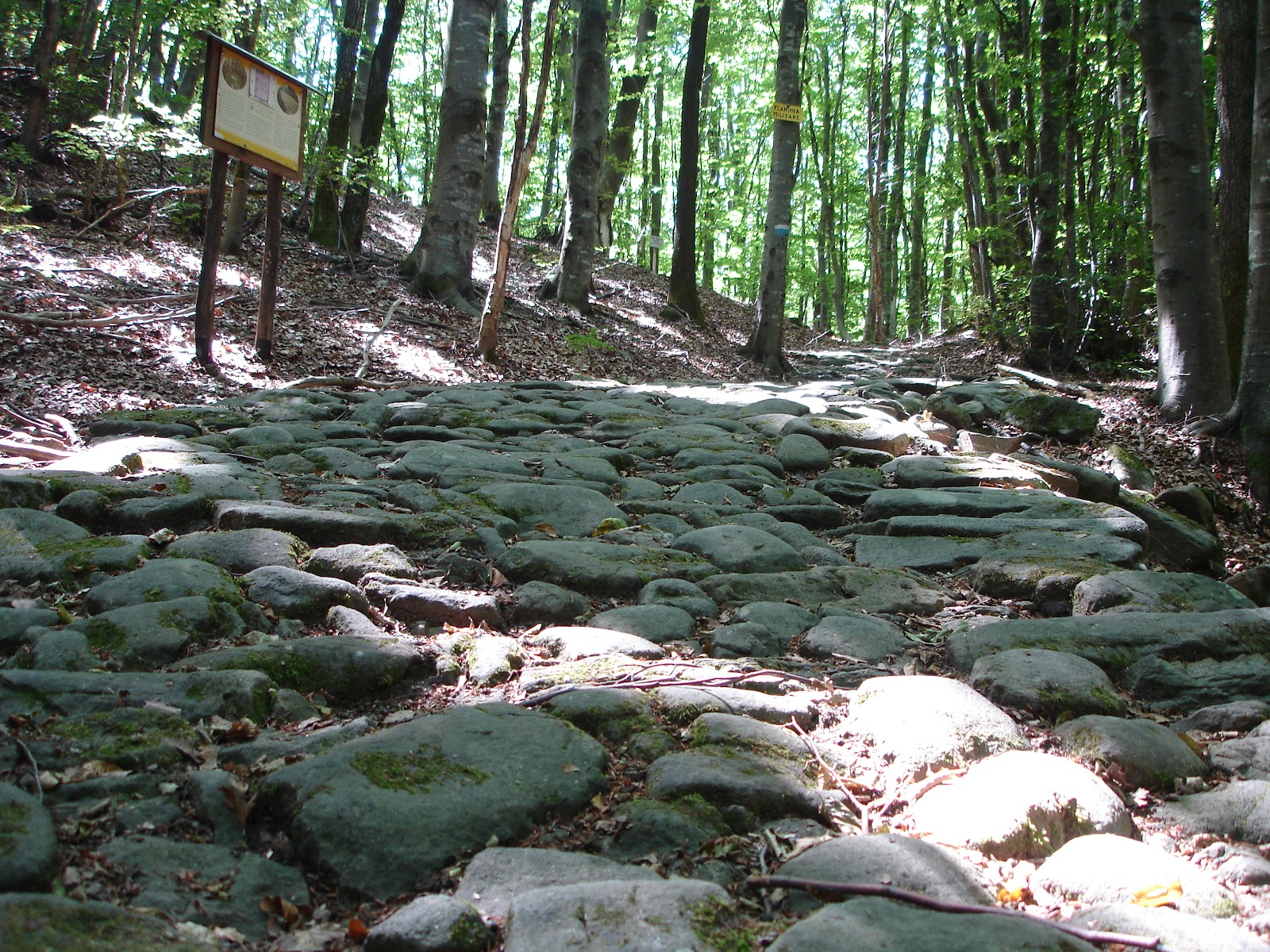
Just a few minutes’ walk from the Via degli Dei, you can admire the remains of an ancient Roman road. Known as the Via Flaminia Militare, it is entirely paved with stone and is still perfectly walkable. Its particularity lies in the fact that it has remained almost perfectly preserved, even though the road was buried under metres of soil and leaves until 1979, when it was discovered by archaeologists Franco Santi and Cesare Agostini.
-
Biscione Waterfall
The route to Biscione Waterfall is circular, meaning that it starts in Bruscoli and returns exactly to the starting point. During this scenic hike, you can admire the “Chapel of San Martino”, the “Bruscoli Fortress” and the “Biscione Waterfall”, while enjoying a unique panoramic view.
Are you reading this article and already dreaming of visiting Bruscoli and Tuscany?
Discover our travel proposals and set off on your next adventure!

Hiking the Via degli Dei
from Bologna to Florence
Festivals and Popular Events in Bruscoli
During the winter season, you should not miss the Feast of Saint Anthony the Abbot, the patron saint of animals, celebrated on 17 January. During this much-loved local event, the entire community gathers in the Church of San Martino, where bread is distributed to everyone as a symbol of good luck. After Mass, the residents gather in the village square to take part in the Saint Anthony lottery, with prizes including cured hams, cheeses and traditional local foods.
Traditional Dishes of Bruscoli
The cuisine of Bruscoli is mainly based on traditional Apennine cooking and therefore makes extensive use of mushrooms and game meat. However, the true local speciality of this hamlet is the zuccherini di Bruscoli. These are small round biscuits covered with an uneven white glaze and characterised by a strong spiced flavour. Did you know that their recipe has been passed down orally for more than 150 years? This is precisely what makes them so special!
A delicious and wholesome treat that you absolutely must try – you won’t regret it!
Eating and Drinking in Bruscoli
Among the many restaurants in the centre of Bruscoli, here are a few that are well worth a visit:
Ristorante l’Appennino at Via Bruscoli, 911. A welcoming, family-run restaurant offering excellent specialities from Tuscan and Apennine traditions. Its excellent, juicy meat is particularly recommended.
Ristorante-pizzeria da Pako at Via Bruscoli, 761. Easily accessible by car, this restaurant makes the most of excellent local products to delight its guests. Everything is accompanied by a wine cellar offering a fine selection of wines.
Agriturismo il Passeggere at Via Bruscoli Passeggere, 1439. The excellent hospitality and quality of this establishment attract numerous local customers and travellers every day, including those hiking the Via degli Dei. The dishes follow the local mountain tradition, with game specialities being particularly appreciated.
So, what are you waiting for? Grab your backpack and let’s go!